Maintaining a clean roof is essential for both the appearance and longevity of your home. Humidity and seasonal storms can accelerate moss, algae, and debris buildup, keeping your roof in top condition is especially important.
Over time, organic growth can trap moisture, leading to premature wear and potential structural damage. Pressure washing is a popular method for roof cleaning, but it requires caution to avoid compromising shingles, tiles, or metal panels.
Choosing the right technique whether soft washing or traditional pressure washing depends on your roof type, material, and overall condition.
Proper cleaning restores your roof’s appearance, extends its lifespan, and helps preserve warranties, making it a smart preventative investment for homeowners.
Is Pressure Washing Safe for Your Roof?
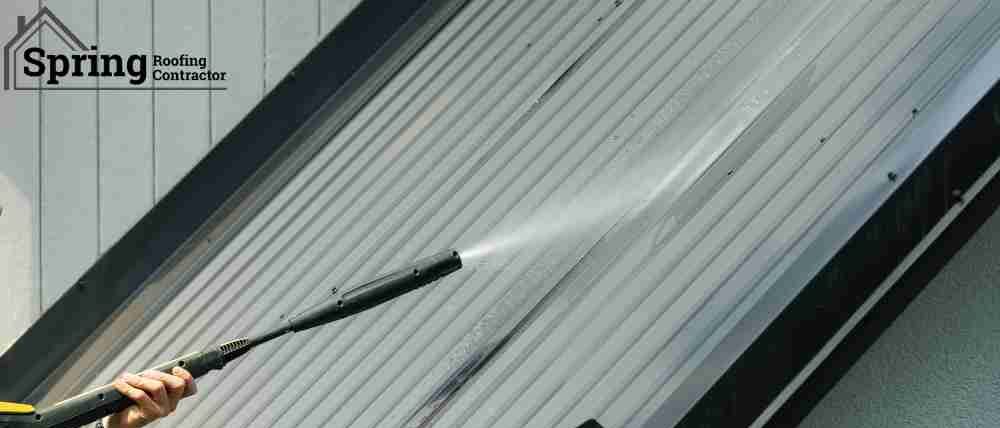
Pressure washing delivers quick, visible results, removing dirt, moss, and algae efficiently. However, high-pressure water can strip granules from asphalt shingles, crack clay tiles, or dent metal panels, potentially shortening roof lifespan.
Water can also seep under shingles or flashing, causing leaks, mold, and structural damage. Softer roofing materials are especially vulnerable.
Understanding your roof type, selecting the correct water pressure, and using approved chemicals are critical. In many cases, a low-pressure method with specialized cleaning solutions is safer and more effective, providing long-lasting results while protecting the roof’s integrity.
Risks of Pressure Washing
Improper pressure washing can seriously damage roofing materials, especially asphalt shingles, clay tiles, or delicate metal panels. High-pressure water may strip protective granules, crack tiles, or dent surfaces.
It can also force water beneath shingles or flashing, leading to leaks, mold growth, wood rot, and potential structural issues, possibly voiding manufacturer warranties.
Benefits of Pressure Washing
When performed correctly, pressure washing can quickly remove accumulated moss, algae, dirt, and debris from the roof surface. This improves the home’s overall appearance, enhances curb appeal, and helps prevent long-term damage.
Regular cleaning may also extend the roof’s functional life by reducing moisture-related decay and preserving roofing material performance over time.
Understanding Roof Cleaning Methods
Choosing between pressure washing and soft washing is essential for roof maintenance. Pressure washing uses high pressure (1,500–4,000 PSI) to remove surface debris quickly but may harm delicate materials.
Soft washing uses low pressure (under 500 PSI) combined with chemical solutions, eliminating moss, algae, and mold at the root for longer-lasting results.
Soft washing is safer, environmentally friendly, and preserves warranties, making it ideal for asphalt shingles, clay tiles, and metal roofs. Pressure washing may be reserved for more durable surfaces with minimal organic growth.
Key Equipment for Roof Pressure Washing
- Pressure Washer with Adjustable Nozzle – Controls water pressure to prevent damage.
- Ladder or Roof Access Equipment – Ensures safety on slopes and high roofs.
- Protective Gear – Gloves, non-slip shoes, and harnesses reduce accidents.
- Cleaning Solutions – Bleach, hydrogen peroxide, or biodegradable cleaners tailored to your roof type.
- Garden Hose or Soft Washing System – Safely rinses debris.
Proper equipment selection ensures effective cleaning while protecting your roof.
Selecting the Right Chemicals
Water alone is often insufficient. Sodium hypochlorite (bleach) removes moss and algae but must be diluted to avoid damage. Hydrogen peroxide is safer and eco-friendly.
Surfactants improve solution adhesion, and biodegradable cleaners are ideal for environmentally conscious homeowners. Matching chemicals to your roof type preserves structural integrity, appearance, and warranty compliance.
Soft Washing: The Safer Alternative
Soft washing uses low-pressure water and specialized cleaning solutions to remove moss, algae, and mold without harming roofing materials.
Soft Washing Steps
- Preparation – Protect nearby plants and surfaces.
- Application – Evenly spray a biodegradable cleaning solution on the roof.
- Dwell Time – Let the solution work for 15–20 minutes to break down organic material.
- Gentle Rinse – Remove debris with low-pressure water.
- Preventive Treatment – Optional application to inhibit regrowth.
Soft washing is ideal for asphalt shingles, clay tiles, and metal roofs, offering long-lasting results.
Best Practices for Roof Cleaning
- Inspect the roof for loose shingles, damage, or debris before cleaning.
- Select the cleaning method based on roof material.
- Use eco-friendly solutions and follow manufacturer guidelines.
- Avoid high-pressure washing on delicate roofs.
- Consider professional services for steep, large, or heavily contaminated roofs.
- Include roof cleaning in a preventative home maintenance routine alongside gutter cleaning and exterior care.
Following these practices ensures a safe, effective, and long-lasting clean.
Soft Washing vs Pressure Washing Comparison
| Factor | Soft Washing | Pressure Washing |
|---|---|---|
| Water Pressure | Low (<500 PSI) | High (1,500–4,000 PSI) |
| Cleaning Method | Chemical + gentle rinse | Physical water force |
| Damage Risk | Minimal | High, especially on shingles |
| Effectiveness | Kills growth at root | Surface-only removal |
| Result Longevity | 6–12 months+ | 3–6 months |
| Environmental Impact | Higher (chemicals) | Lower (mostly water) |
| Cost | Generally higher | Often lower |
FAQs
Can I pressure wash my asphalt shingle roof?
Pressure washing asphalt shingles is generally not recommended. High-pressure water can dislodge protective granules, damage the shingle surface, and shorten roof lifespan.
Using a soft washing method with low-pressure water and appropriate cleaning solutions is a much safer and effective alternative.
How often should I clean my roof?
Roof cleaning should typically be done every one to two years. Frequency depends on local climate, nearby tree coverage, and the amount of moss, algae, or debris buildup. Regular maintenance helps prevent long-term damage and preserves the roof’s appearance and lifespan.
What chemicals are safest for roof cleaning?
The safest chemicals for roof cleaning depend on your roof type. Diluted bleach, hydrogen peroxide, and biodegradable cleaning solutions effectively remove moss, algae, and debris while minimizing damage. Always follow manufacturer guidelines to ensure safe and warranty-compliant use.
Can roof cleaning void my warranty?
Yes, roof cleaning can void warranties if improper methods are used. High-pressure washing, unapproved chemicals, or aggressive cleaning techniques can damage roofing materials, so it’s important to follow manufacturer recommendations and use safe, approved cleaning practices.
Final Thoughts
Roof cleaning can restore your home’s exterior, remove moss and algae, and protect roofing materials but it must be done carefully.
High-pressure washing carries risks for shingles, tiles, and metal roofs. Soft washing provides a safer, longer-lasting solution, effectively eliminating biological growth without compromising integrity or warranties.
Proper preparation, equipment, and chemical selection are key for optimal results. Including roof cleaning as part of a broader home maintenance routine ensures your property stays protected and visually appealing. Understanding the best approach, whether DIY or professional, maximizes roof safety, efficiency, and lifespan.