
Summer heat poses unique challenges to roofs and roofing professionals alike, from material softening to heightened risks of heat-related illnesses. Homeowners and contractors must prioritize maintenance and safety to prevent costly damage and ensure worker well-being.
This guide draws on expert practices for inspections, precautions, and strategies to handle high temperatures effectively. By following these Summer Roofing Tips, you can extend your roof’s lifespan and maintain a safe work environment amid humidity, storms, and intense sunlight.
These Summer Roofing Tips help prevent heat-related damage, improve roof performance, and reduce the risk of costly repairs. Proactive care now avoids emergency repairs later, keeping structures sound through the season.
Why Summer Roofing Matters
Summer brings intense heat, humidity, storms, and UV exposure that stress roofs and workers alike, accelerating wear on shingles, adhesives, and flashing while raising heat illness risks. Proactive maintenance from the ground level spots issues like debris buildup or loosening early, preventing leaks and rot.
For professionals, understanding weather impacts ensures safe scheduling and material handling, extending roof life and avoiding downtime. Homeowners benefit by trimming branches and clearing gutters to manage water flow amid frequent rains.
These steps, done safely with gear like gloves and binoculars, safeguard investments against seasonal extremes, ensuring structures endure high winds and pounding temperatures without failure.
Ground-Level Roof Inspections
Performing ground-level inspections is essential for spotting issues without risking climbs on hot roofs. Use binoculars for a close view early in the morning when temperatures are cooler, and wear gloves to handle any debris safely.
Look for lifted, missing, cracked, or dented shingles, as well as moss, fungal growth, or accumulated debris in valleys and corners.
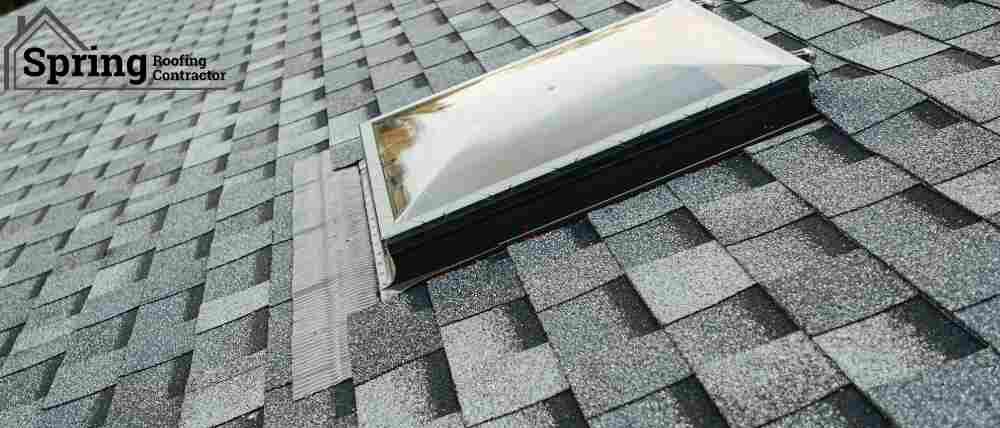
Check metal flashing around chimneys, vents, skylights, and protrusions for looseness or deterioration from weather exposure. These checks confirm your roof can withstand summer heat, storms, and winds, ensuring good condition and meeting life expectancy goals. Ground inspections take minimal time but prevent major repairs.
Shingle and Damage Checks
Inspect shingles for lifts, cracks, dents, or missing pieces, as summer heat worsens these issues. Note moss or algae growth, which traps moisture and leads to rot or deterioration. Early detection prevents leaks.
Flashing and Protrusions
Examine flashing around vents, chimneys, and skylights for loosening, rust, or cracked seals from harsh weather. These critical areas often fail first, allowing water entry. Tighten or reseal promptly.
Debris Clearance
Clear debris from eaves, valleys, corners, and gutters to prevent water pooling and damage. Underside eaves hide nests or buildup; remove carefully to avoid insect stings and ensure drainage.
Essential Safety Gear List
- Always wear protective gear like hard hats, gloves, UV glasses, knee pads, and safety glasses despite the heat safety first prevents injuries.
- Choose light-colored, breathable, loose-fitting clothing, wide-brimmed hats, and moisture-wicking fabrics to reflect sun and aid cooling.
- Use high-SPF broad-spectrum waterproof sunscreen, reapplying every two hours; opt for SPF 50+ for longer protection against burns and cancer.
- Equip with proper footwear featuring rubber soles and good traction for slippery, softened surfaces after rain or heat.
- Never work alone; use safety harnesses, lanyards anchored to points, and lifeline systems as backups on precarious areas.
- Keep first-aid kits stocked for cuts; store tools and materials in shade to avoid burns from hot metal or shingles.
These items reduce heat stress, slips, and UV damage, saving time and costs long-term.
Heat Illness Prevention Strategies
Summer demands vigilance against heat exhaustion and stroke, as high humidity slows sweat evaporation, hindering body cooling. Monitor weather via apps for temperature, humidity, and heat index reschedule if exceeding safe thresholds like 93°F in full sun for heavy work. Acclimatize new workers gradually, starting at 20% of a shift and increasing daily.
Schedule early starts, frequent 15-20 minute shade breaks, and lighter workloads midday. Hydrate proactively with 1 cup of water every 15 minutes, even without thirst, as sweat losses reach gallons daily. Train teams to spot symptoms like dizziness, nausea, headache, or confusion, and respond with cooling and medical aid.
Material Handling Precautions
High temperatures alter roofing products’ performance, so store primers, adhesives, sealants, and shingles out of direct sun at ambient conditions until use. Heat reduces adhesive open time and viscosity, so consult technical sheets and adjust application rates. Spray canisters stay in cartons away from sun to avoid spray issues; limit roof stock to daily needs.
Substrates must stay dry pre-work, as summer rains and humidity cause condensation blocking adhesion. For hot shingles, spray stacks with water or wear gloves to separate safely. Metal surfaces and flashing get a burn-hot handle with heavy gloves and shade pre-install.
Recognizing Heat-Related Illnesses
Heat illnesses range from syncope to stroke; early recognition saves lives, especially on roofs where falls amplify risks. Monitor symptoms proactively and respond immediately to prevent escalation. Train teams on signs for quick action.
Heat Exhaustion Signs
Heavy sweat, weakness, dizziness, nausea, headache, and rapid heart rate at rest signal heat exhaustion. Core temperature reaches 100-102°F. Cool immediately in shade with frequent water sips to aid recovery.
Heat Stroke Indicators
Confusion, hot skin (dry or sweaty), seizures, or unconsciousness indicate heat stroke and an emergency. Call 911 urgently. Cool rapidly using ice packs on the neck, armpits, and groin areas.
First Aid Responses
Move the victim to air-conditioned shade, remove excess clothes, apply cold cloth or ice packs. Pair workers for mutual monitoring. Seek medical help if symptoms persist or worsen quickly.
Summer Maintenance Checklist
Follow this routine to combat heat, storms, and debris buildup proactively.
- Clean gutters, downspouts, and drains of blossoms, twigs, seeds; test flow with hose to ensure no leaks.
- Trim overhanging branches for air flow, reducing moss and storm damage risks.
- Ensure attic ventilation clears debris for cooling, preventing shingle deterioration.
- Apply reflective roof coatings to deflect UV rays, cracking, and heat absorption.
- Tighten loose gutters post-storm, aligning for proper drainage away from foundation.
These steps, done from ground or safely, spot issues early and extend roof life.
Weather and Scheduling Best Practices
Plan work around peak heat and storms for safety.
| Factor | Precautions | Timing Tips |
|---|---|---|
| Temperature/Humidity | Check apps; reschedule above 93°F full sun; acclimate gradually. | Early AM starts; west slopes morning, east afternoon. |
| Storms/Rain | Monitor forecasts; secure tools; halt for lightning. | Avoid midday; post-rain traction checks. |
| Sun Position | Work shaded sides first; use brimmed hats. | Breaks every 15-20 min in shade/AC. |
| Material Heat | Shade storage; gloves for hot items. | Cooler cloudy days for bitumen roofs. |
FAQs
What causes roofs to need summer checks?
Heat softens shingles making them prone to cracks, storms loosen flashing allowing leaks, and debris clogs drainage causing pooling. Regular inspections spot moss, algae, and damage early, preventing escalation to costly repairs or rot.
How often should breaks occur in heat?
Take breaks every 15-30 minutes for water and shade during peak heat. Adjust frequency based on workload intensity, worker acclimation level, and extra gear weight that increases heat stress. Monitor conditions closely.
Is coffee safe during hot roofing?
Moderate coffee won’t significantly dehydrate; its mild diuretic effect is offset by water content. Prioritize plain water throughout shifts, using sports drinks only after sweating over 4 hours for electrolyte needs.
Can humidity affect adhesives?
Yes, high humidity shortens adhesive cure time, reduces viscosity, and causes condensation on surfaces blocking adhesion. Always ensure substrates are dry and free of contamination before application in summer conditions.
Final Thoughts
Summer roofing demands blending maintenance vigilance with personal safety to navigate heat, UV, and weather extremes effectively. Regular ground inspections, proper gear, hydration, and symptom awareness keep roofs durable and teams healthy, avoiding tragedies like heat stroke fatalities.
Proactive scheduling and material care ensure productivity without compromise. Consult professionals for complex tasks, and update training yearly on evolving guidelines. These practices not only safeguard investments but foster long-term reliability, letting you enjoy summer worry-free.