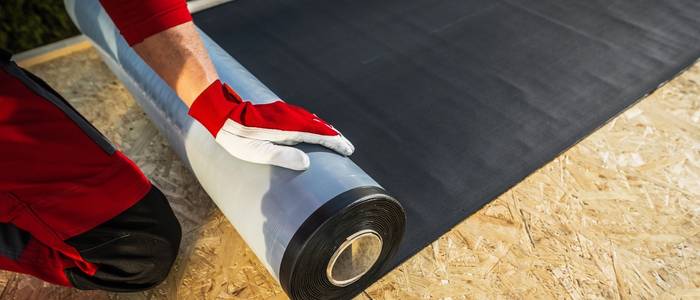
EPDM (ethylene propylene diene monomer) roofing, commonly called rubber roofing, is a durable and flexible single-ply membrane widely used for low-slope and flat roofs.
With decades of proven performance, EPDM provides long-lasting protection against weather, UV exposure, and temperature extremes. Lightweight and cost-effective, it is versatile across commercial, industrial, and residential applications.
Available in rolls with varying widths and thicknesses, EPDM can be installed fully adhered, mechanically attached, or ballasted, offering options tailored to specific project requirements.
Its ease of installation, long lifespan, and environmentally friendly composition make it a popular choice among building owners and contractors.
With proper maintenance, EPDM roofs can deliver decades of reliable performance while minimizing repair and energy costs, ensuring a smart long-term roofing investment.
Is EPDM Energy Efficient?
The energy efficiency of an EPDM roof largely depends on its color and climate. Black EPDM absorbs heat, making it ideal in colder regions to reduce heating costs, but potentially increasing cooling demands in warm climates.
White or light-colored EPDM reflects sunlight, lowering roof surface temperatures, reducing energy loads, and extending the roof’s lifespan.
Compared with other single-ply membranes like TPO and PVC, EPDM is less reflective in its default black form, but it still provides excellent insulating properties due to its rubber composition.
Additionally, EPDM’s durability and resistance to UV damage reduce the frequency of replacements, indirectly conserving energy and resources over time.
By choosing the appropriate color and thickness, building owners can optimize EPDM for energy efficiency in almost any environment.
Steps to Install EPDM Roofing
Installing an EPDM roof requires careful planning and the right method for your building.
Choosing between mechanically fastened, fully adhered, or ballasted systems ensures durability, proper waterproofing, and long-term protection for your roof.
Mechanically Fastened
In the mechanically fastened method, the EPDM membrane is attached to the roof insulation and decking using plates and fasteners.
This approach is cost-effective, quick to install, and widely used, providing secure placement while accommodating large, low-slope commercial or residential roofs.
Fully Adhered
The fully adhered method involves gluing the EPDM membrane directly to the roof insulation with specialized adhesives.
This technique creates a seamless surface, offers excellent wind resistance, and provides a professional, durable finish suitable for flat or low-slope roofs in any climate.
Ballasted
Ballasted EPDM roofing involves laying the membrane loosely over the roof and securing it with stones or pavers. This system reduces visible seams, protects the membrane from damage, improves energy efficiency, and is ideal for flat roofs where minimal structural modifications are needed.
The Importance of EPDM Roof Maintenance
Routine maintenance is essential to prolong the life of an EPDM roof. Regular inspections ideally in spring and fall can identify early signs of wear, including seam separation, shrinkage, punctures, or water ponding.
Cleaning the membrane to remove debris, dirt, and biological growth prevents damage and maintains aesthetics. Repairs should be conducted promptly using patching materials or industrial-grade sealants to prevent water infiltration.
Foot traffic should be limited, and rooftop equipment checked for potential hazards.
Seasonal maintenance following storms ensures that hail, wind, or falling debris has not compromised the roof. Proper upkeep reduces repair costs, avoids insulation saturation, and maintains energy efficiency.
Well-maintained EPDM membranes can meet or exceed their projected lifespan while keeping the building safe and watertight. Regular maintenance is a cost-effective way to safeguard investment in a durable roofing system.
How Long Does an EPDM Roof Last?
A properly installed and maintained EPDM roof can last 40–50 years or more. Its longevity depends on installation quality, membrane thickness, climate, and regular maintenance.
Thicker membranes, such as 60- or 90-mil options, are more resistant to damage from hail, foot traffic, and rooftop equipment, extending the roof’s service life.
Routine inspections, timely repairs, and proper cleaning help preserve seam integrity and prevent issues like shrinkage and punctures.
EPDM’s proven track record in diverse climates shows that it outperforms many other single-ply membranes in terms of durability and lifespan.
Choosing the right installation method mechanically fastened, fully adhered, or ballasted further influences performance and wind resistance, ensuring that building owners enjoy decades of reliable coverage with minimal interruptions.
How Much Does EPDM Roofing Cost?
EPDM roofing is among the most cost-effective single-ply systems, averaging $4–$10 per square foot. Costs vary depending on thickness, installation method, and roof complexity.
Fully adhered systems typically cost more due to labor and adhesive use, while mechanically fastened or ballasted options can reduce installation expenses. Additional costs may include insulation, flashing, and roof accessories.
Despite upfront costs, EPDM’s long lifespan and minimal maintenance requirements make it an economically smart investment compared to traditional asphalt or modified bitumen systems.
By choosing the right membrane thickness and installation approach, building owners can balance performance, durability, and overall budget effectively.
Choosing EPDM Roof Thickness and Colors
Selecting the appropriate EPDM thickness and color is crucial for performance and longevity. Thickness determines resistance to damage from hail, debris, and rooftop activities, while color affects energy efficiency.
Common Thicknesses
- 45 Mil: Suitable for moderate climates and minimal foot traffic areas.
- 60 Mil: Ideal for general commercial use, providing enhanced durability.
- 90 Mil: Recommended for high-risk areas with severe weather exposure.
Color Options
- Black EPDM: Retains heat; ideal for colder climates.
- White EPDM: Reflective; reduces cooling costs in warmer regions.
The Benefits of an EPDM Roofing System
EPDM offers a combination of durability, flexibility, and cost-effectiveness. Key advantages include:
- Long Lifespan: Lasts 40–50+ years with proper care.
- Ease of Installation: Lightweight rolls and large sheets reduce labor time.
- Cost-Effective Repairs: Punctures and leaks can be quickly patched.
- Resilient: Resistant to hail, wind, and temperature extremes.
- Energy Efficiency: Color and insulation properties help reduce heating and cooling costs.
- Environmentally Friendly: 100% recyclable and low-impact production.
- Versatile: Suitable for commercial, industrial, and residential flat roofs.
White EPDM Roofing vs Black EPDM Roofing
EPDM membranes come in black or white, each suited to different climates and energy needs.
| Feature | Black EPDM | White EPDM |
|---|---|---|
| Heat Absorption | High; retains warmth | Low; reflects sunlight |
| Energy Efficiency | Ideal for cold climates | Ideal for warm climates |
| UV Resistance | Excellent | Excellent |
| Popularity | Most common | Less common; reflective |
| Cooling Cost Impact | Higher in summer | Lower in summer |
FAQs
How is EPDM installed?
EPDM roofing can be installed using three main methods: mechanically fastened with screws and plates, fully adhered with adhesive to the insulation, or ballasted with heavy materials on top. The choice depends on roof design, wind exposure, and structural considerations.
What maintenance does EPDM require?
EPDM requires regular care including cleaning debris from the surface, inspecting seams for wear or separation, promptly patching any punctures, and minimizing foot traffic. Consistent maintenance ensures longevity, prevents leaks, and preserves the roof’s waterproof integrity over time.
Can EPDM be repaired easily?
Yes, EPDM is straightforward to repair. Minor damage can be managed using specialized patching materials or sealants without replacing the entire roof. Quick repairs help prevent leaks, extend roof life, and maintain performance efficiently.
Is EPDM environmentally friendly?
EPDM is an eco-friendly roofing option. It is fully recyclable at the end of its life and is manufactured with minimal environmental impact. Its long lifespan also reduces material waste compared with shorter-lived roofing alternatives.
Final Thoughts
EPDM roofing remains a reliable, flexible, and long-lasting solution for flat and low-slope roofs.
With multiple installation methods, thicknesses, and color options, it can be tailored to diverse climates, building types, and energy needs. Its cost-effectiveness, durability, and ease of maintenance make it an attractive choice for both commercial and industrial applications.
When paired with routine inspections and timely repairs, EPDM roofs can provide decades of watertight protection while minimizing energy costs.
Whether choosing black for heat retention in colder climates or white for reflective cooling benefits in warmer regions, EPDM proves to be versatile and practical.
Its proven track record, environmental sustainability, and resilience against severe weather underscore its enduring popularity as a single-ply roofing solution.